

Start date: 20261211
End date: 20261211
Location: Sala Convegni - Consiglio Nazionale delle Ricerche CNR, Via dei Marrucini, ROMA
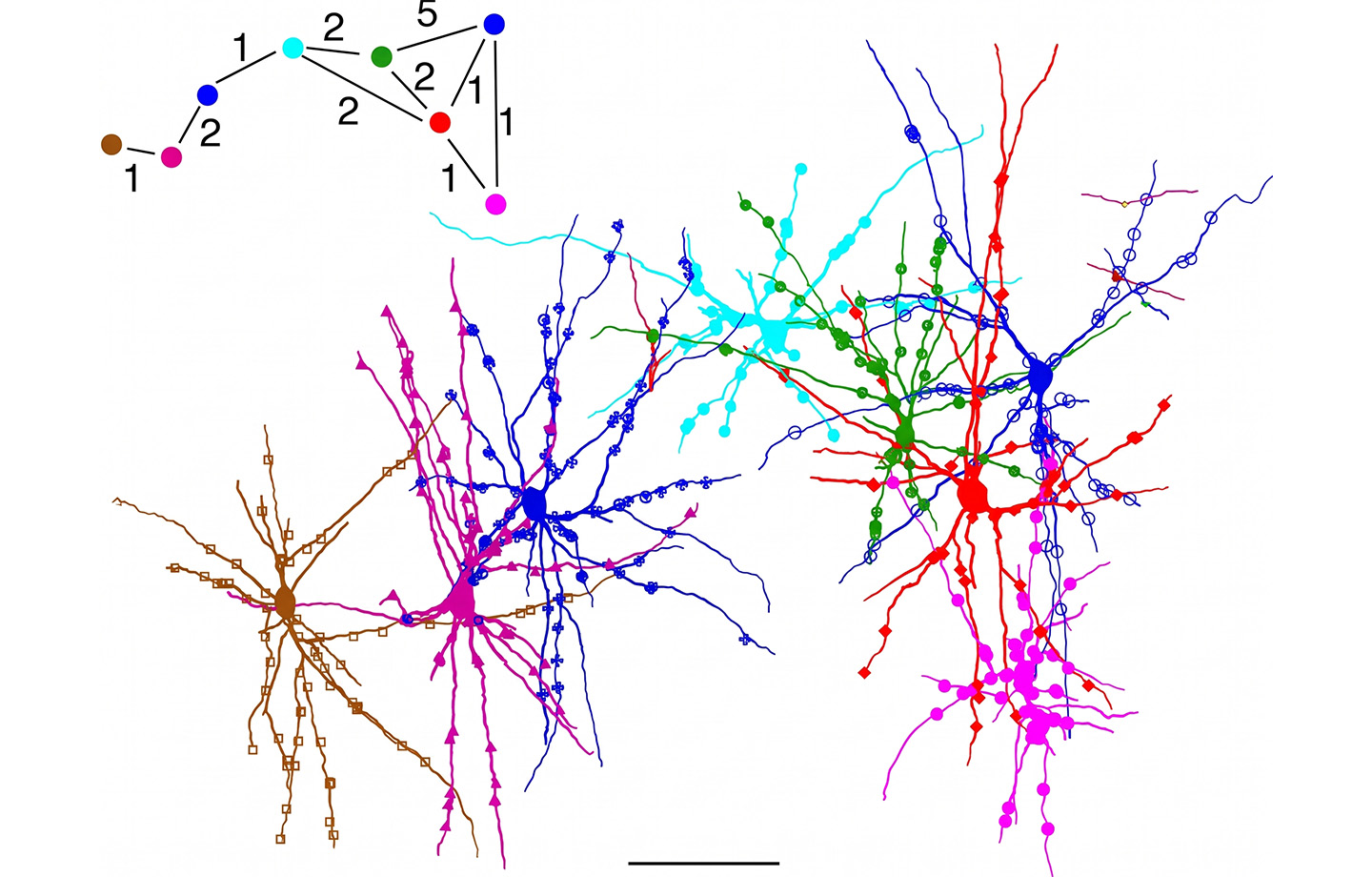
One hundred and twenty years agO, On December 11 1906, in the Royal Academy of Music of Stockholm, King Oscar II presented the Nobel Prize in Physiology or Medicine to Camillo Golgi (1843-1926) and Santiago Ramón y Cajal (1852-1934) “in recognition of their work on the structure of the nervous system”.
Golgi developed a staining method that allowed an unprecedented visualization of brain cells, and used it to unveil the organization of the brain; and Cajal, using that method, pursued the titanic challenge of studying the brain of numerous species, its development and the effects of lesions, paving the way for all subsequent studies of the brain. Both scientists produced spectacular drawings of brain cells, but interpreted quite differently their results. Golgi proposed that the brain was a diffuse network of interconnected cells (reticular theory), whereas Cajal posited that the brain is made of individual neurons that are the anatomical, functional, metabolic, genetic, and pathological units (neuron doctrine), a view that forged modern neuroscience. These different visions of the brain generated some tension between the two scientists, and culminated in the so-called “Stockholm confrontation” at the 1906 Nobel ceremony.
To commemorate the 120th anniversary of the Nobel to Golgi and Cajal, the European Brain Research Institute Rita Levi-Montalcini and the Embassy of Spain in Italy are organizing the Encuentros Cajal Italy, with the aim of discussing how their visions have evolved. Following an historical reconstruction of the life and the contributions of Golgi and Cajal, we shall discuss how the discovery of electrical synapses opened a new field that culminated with the discovery that numerous neurons are interconnected by gap junctions, thus indicating that they are no longer dogmatically separate units. We shall then discuss the role of glial cells, in particular of astrocytes, that sense and release neurotransmitters and form real syncytia that modulate distant synapses. What appears notable is that the visions of Golgi and Cajal retain an ongoing relevance, and are influencing contemporary research on the pathophysiology of many invalidating diseases.
